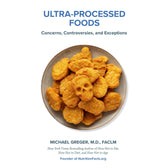
About a hundred years ago, modern nutrition science emerged during what could be called the era of Nutrient Deficiency, a period that has since transitioned into the era of Dietary Excess. Rather than succumbing to deficiency-related illnesses like scurvy, people today are far more likely to die from conditions tied to overconsumption, such as obesity and heart disease. As a result, nutrition science shifted its focus toward limiting excess calories, saturated fat, sugar, and sodium, all while still centering its attention on individual nutrients. Food manufacturers were quick to capitalize on this, rolling out products like fiber-boosted Froot Loops and fat-free Snackwells. But that's about as far as market forces will take us. The free market is perfectly happy to sell us junk in any form we ask for it - low-fat junk, low-carb junk, organic non-GMO junk, and, perhaps most ironically, processed paleo junk. Companies can profit from nearly any dietary trend except actual, genuine food. Eventually, nutrition science moved past this narrow nutrient-focused mindset and began recognizing how food processing itself might affect healthfulness, drawing attention to the surge in ultra-processed "foods." These products are altered chemically or physically through industrial methods, generally contain minimal or no whole-food ingredients, come ready to eat or quick to heat, and tend to be high in fat, salt, and sugar while lacking fiber and other beneficial nutrients. Picture industrial ingredient formulations not found in home kitchens - added colorings, artificial flavors, sweeteners, emulsifiers, and various additives designed to mimic the appearance and taste of real food. As an example, a Frosted Grape Pop-Tart displays more grapes on its packaging than it actually contains inside. Research has linked greater consumption of ultra-processed foods to a wide array of health problems. It's logical that eating more of these foods would correlate with increased dental cavities, given their sugar content; higher obesity rates, given their calorie density; and elevated risk of high blood pressure, given their sodium levels - which in turn raises the likelihood of cardiovascular events such as heart attacks and strokes. Since cardiovascular disease remains the top cause of death, it follows that heavy consumption of these foods could also contribute to higher overall mortality rates. But the connection between ultra-processed foods and conditions like cancer, dementia, inflammatory bowel disease, irritable bowel syndrome, chronic kidney disease, type 2 diabetes, and numerous other chronic illnesses and mental health conditions is less obvious. In this book, Dr. Greger examines 16 potential explanations behind these associations, covering factors such as food additives, industrial contaminants, and chemicals from packaging materials. Ultimately, it appears that much of the elevated risk of death and disease connected to ultra-processed food consumption stems primarily from sweetened drinks and animal-derived products like burgers, chicken nuggets, and fish sticks. Given this, ultra-processed plant-based alternatives might actually serve as a solution rather than contributing to the problem. Dr. Greger looks into how plant-based meats affect the gut microbiome, inflammation, artery function, oxidative stress, blood sugar levels, feelings of fullness, weight loss, and risks for cancer, kidney disease, and heart disease, among other outcomes, while also addressing how their food safety compares to conventional products. Although most ultra-processed foods raise health concerns, plant-based meats and milks may actually be healthier alternatives to the animal products they're designed to replace - but how do they measure up against whole, unprocessed plant foods? This book addresses that question, exploring where ultra-processed plant-based products fit into a healthy diet. For .epub and audiobook purchases, you will receive instant delivery of the following digital files*: Ebook: .epub (see instructions for how to use an .epub file) and Audiobook: MP3, DRM-free (see instructions for how to use an audiobook MP3). *All sales are final, so please make sure you've chosen the correct version before completing your purchase.